Have you ever said yes while silently wishing you had said no? Agreed to help when you were already overwhelmed? Walked away from a conversation feeling drained, frustrated, or resentful?
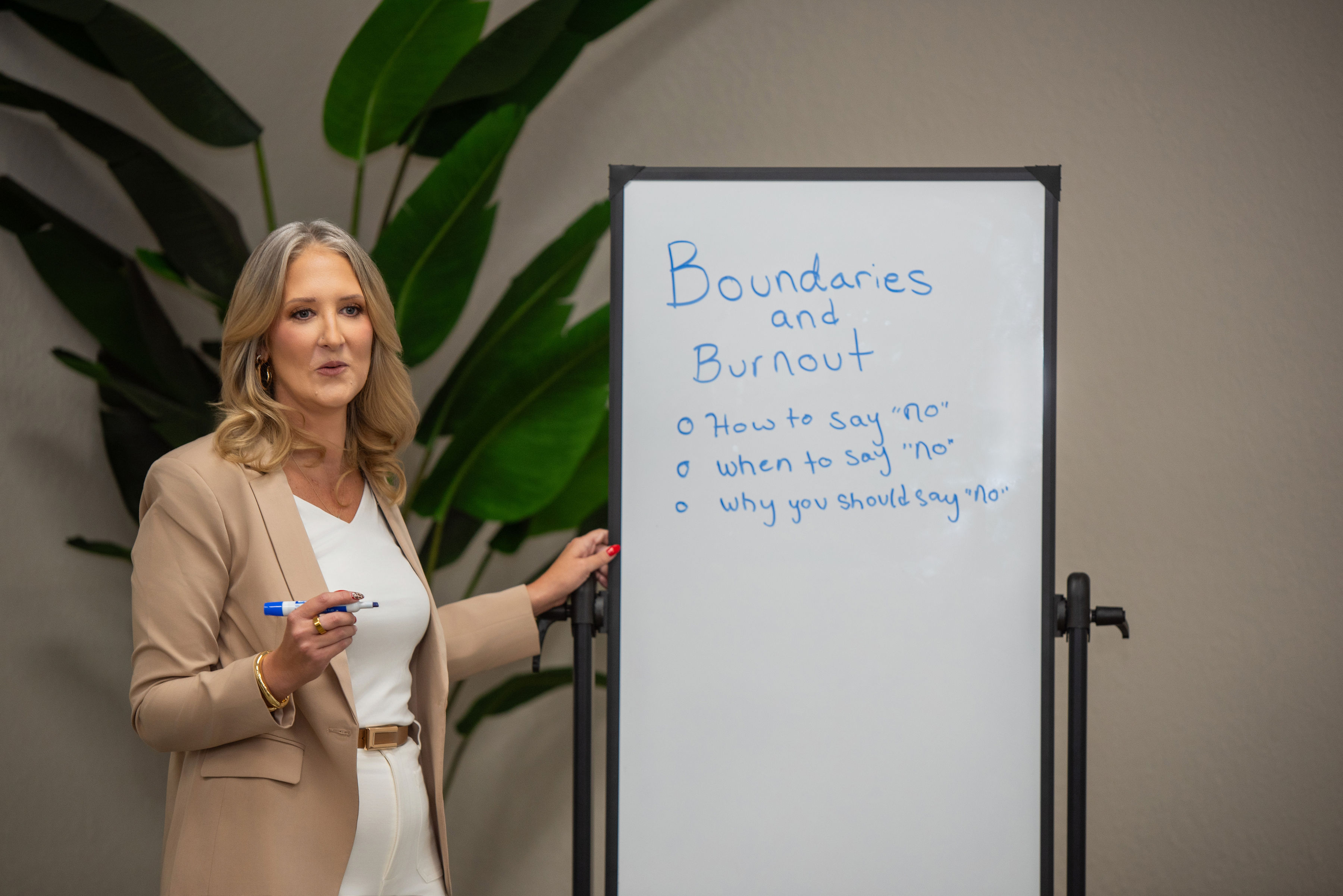
Sometimes those feelings are an invitation to ask: What do I need, and have I communicated it?
Boundaries help us answer that question. They allow us to care for our relationships while making room for our own needs, responsibilities, and values.
What Does a Healthy Boundary Look Like?
A boundary communicates what you are available for, what you are comfortable with, and how you will respond when a limit is reached.
You might say:
- “I can listen for a few minutes, but I don’t have the capacity for a long conversation tonight.”
- “I’m happy to discuss this when we can both speak respectfully. If the yelling continues, I’ll take a break.”
- “I’m keeping Saturday free for family time.”
- “I need time to think before I commit.”
The key is to focus on choices you can make and follow through on. You cannot make someone agree with your limit, but you can decide how you participate.
Why Saying No Can Feel So Hard
You may have learned that being loving means being available, that keeping the peace means staying quiet, or that being dependable means never disappointing anyone.
When those beliefs run deep, setting a boundary can feel uncomfortable—even when the limit is reasonable.
You might wonder:
Will they be upset? Will they think I’m selfish? Will this change our relationship?
Those concerns deserve compassion. You can care about someone’s feelings and still recognize that you cannot meet every request. Feeling guilty does not automatically mean you have done something wrong.
Start by Paying Attention
Before you can communicate a boundary, you need to recognize where one may be needed.
Notice the moments when you feel stretched too thin. Perhaps you answer work messages during dinner, lend money you need for your own bills, or agree to plans because declining feels awkward.
Ask yourself:
- What am I agreeing to that I do not have the time or energy for?
- What do I wish I could say honestly?
- What would a realistic limit look like here?
Resentment can be a useful signal to pause and reflect. It may point to an unspoken expectation, an unmet need, or a commitment that needs to change.
Be Clear, Kind, and Brief
You do not need a perfect speech to communicate a limit.
Try: “I won’t be able to help this weekend.”
If you want to offer an alternative, make sure it is something you can comfortably give: “I can help for an hour on Tuesday.”
Lengthy explanations can make a clear decision sound open for negotiation. Give the context you want to share, then allow your answer to stand.
Give Yourself Room to Practice
Other people may need time to adjust, especially if you have usually said yes. You may need practice tolerating their disappointment without immediately changing your answer.
You can acknowledge their feelings while keeping your limit:
“I understand this is frustrating. I’m still unavailable tonight.”
You can also revisit a boundary when circumstances change. Healthy limits can be thoughtful and flexible while remaining consistent with your needs and values.
One Small Step This Week
Choose one situation where you regularly overextend yourself. Decide what you can realistically offer, and practice saying it clearly.
Maybe that means waiting before accepting a request, protecting your lunch break, or asking for time alone after a demanding day.
You do not have to change every relationship at once. Start with one honest conversation and one manageable commitment to yourself.
Your needs deserve a place in the relationships you work so hard to care for.


Leave a Reply